From 2026, the Verifactu system will mark a turning point in the way companies must manage their electronic invoicing in Spain. For multinationals with subsidiaries or branches in the country, this regulation represents a structural change in their administrative, technological, and fiscal compliance processes. The Tax Agency will require the use of certified invoicing software that guarantees the integrity, traceability, and authenticity of each invoice, with real-time submission and no possibility of subsequent modification.
What is Verifactu and who Does it Affect in Spain?
Definition and Entry into Force in 2026
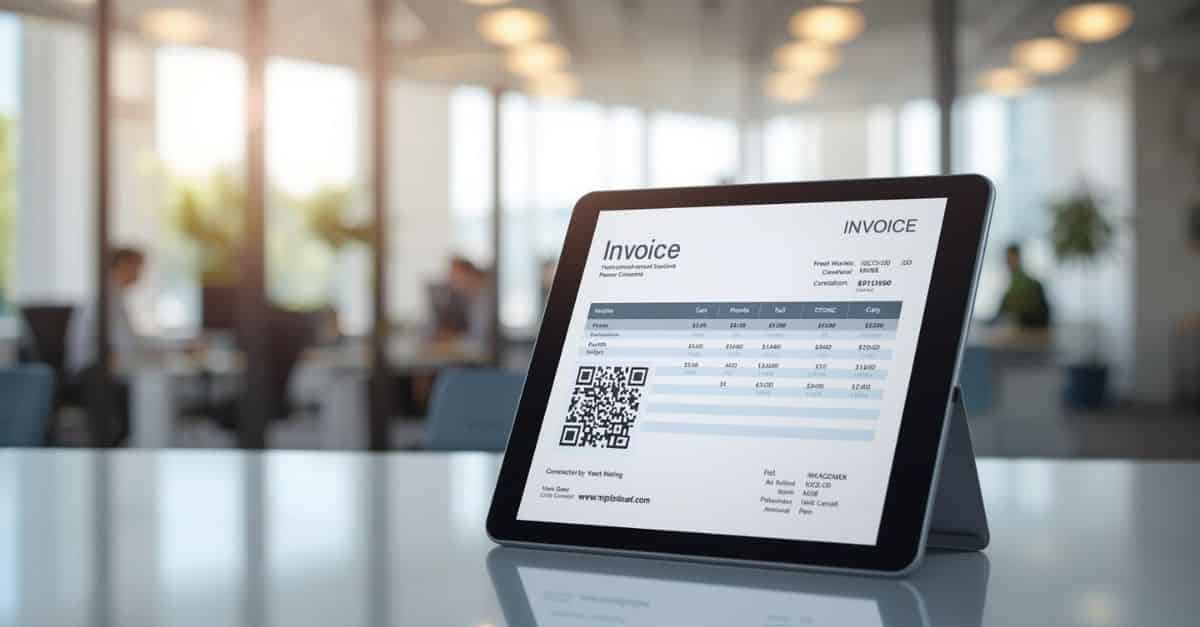
Verifactu is the new mandatory electronic invoicing system promoted by the Spanish Tax Agency. From July 2026, all companies using invoicing software must have a system certified by the Tax Authority that guarantees the immutability, authenticity, and traceability of the invoices issued. The invoices will include a QR code and a cryptographic hash, and will be sent in real time to the AEAT.
Affected Companies: Special Focus on Multinationals
The system especially impacts multinationals operating in Spain, whether through subsidiaries, branches, or permanent establishments. The need to adapt internal systems and processes to comply with Verifactu implies transnational coordination, especially when the parent company is in another jurisdiction. The obligations extend to all sectors and sizes, with special attention to those who issue large volumes of invoices.
Technical and Fiscal Obligations under Verifactu
Certified Software Requirements
The invoicing software must meet the following requirements:
- Generate a unique identifier per invoice.
- Include a digital signature or cryptographic hash that prevents alteration.
- Attach a visible and official QR code.
- Send each invoice automatically and in real time to the AEAT.
These requirements limit the use of legacy systems or non-approved proprietary developments, forcing many multinationals to review their technology stack in Spain.
Internal Adaptations Required
Compliance with Verifactu requires an internal reorganization in multinationals:
- Coordination between the IT, accounting, tax, and auditing departments.
- Training of local and international personnel on new workflows.
- Implementation of document conservation systems aligned with the new requirements.
EUROACCOUNTS supports its clients throughout the adaptation process, acting as an interface between the Spanish subsidiary and the parent company in the digital transition.
Strategic Impact for Multinationals
Risks of Non-Compliance and Sanctions
Failure to adapt to Verifactu in time can generate:
- Sanctions of up to €50,000 for the use of non-approved software.
- Inability to issue valid invoices in case of inspection.
- Blockage in the relationship with suppliers and customers due to lack of traceability.
The AEAT will increase automated fiscal control, increasing the probability of audits. Being prepared is an obligation, but also an opportunity to differentiate yourself.
Opportunities in Efficiency, Traceability, and Auditing
Companies that anticipate Verifactu will be able to:
- Reduce administrative times by up to 70% through automation.
- Avoid manual errors in the issuance and declaration of invoices.
- Facilitate tax audits thanks to structured traceability.
A fictitious example: a multinational pharmaceutical company based in Germany and with a subsidiary in Madrid, after implementing Verifactu with EUROACCOUNTS, managed to reduce its error rate in invoicing by 85%, and shorten the monthly accounting closing cycle from 7 to 2 days.
Conclusion
Verifactu is a catalyst for change for multinationals operating in Spain. Although it represents a considerable technical and regulatory challenge, it also offers clear opportunities for modernization, automation, and improvement of internal control. Preparing in advance, with the help of experts such as EUROACCOUNTS, allows you to transform a fiscal obligation into a real competitive advantage. Contact our team and request an evaluation.
Frequently Asked Questions
Is it Mandatory to Implement Verifactu for Foreign Companies?
Yes. If a foreign company has a subsidiary, branch, or permanent establishment in Spain, and issues invoices using software, it will be obliged to comply with Verifactu.
What are the Penalties for Non-Compliance with Verifactu?
Fines can reach up to 50,000 euros for using non-certified software or for failing to send in real time.
Does Verifactu Replace the SII?
Not exactly. They are complementary systems. Verifactu focuses on the generation and traceability of the invoice, while the SII manages its declaration.
What is the Deadline for Adapting?
Companies must be adapted by July 2026, although it is recommended to start the changes at least 12 months before.
How Does EUROACCOUNTS Help Implement Verif*Actu?
With technical audits, selection of compatible software, team training, and integrated fiscal compliance services.